Across Africa, poverty wears many faces: a mother skipping meals so her children can eat, a teenager whose education ended too soon, a family left homeless after floods. Governments and international agencies work to address these crises, but for millions of people, it is faith-based organizations (FBOs) that show up first, stay longest, and reach deepest.
From the hills of Rwanda to the streets of Lagos, faith-driven nonprofits are doing more than charity. They are rebuilding lives, one family, one community, one generation at a time.
What Are Faith-Based Organizations?
Faith-based organizations are nonprofits, charities, and community groups whose work is motivated and guided by religious values. They may be affiliated with Christianity, Islam, or other faiths, but their services are typically open to everyone regardless of belief.
In Africa, FBOs range from large international agencies to small local ministries operating out of a single church building. What they share is a mission that goes beyond delivering services: they seek to restore dignity, build hope, and address root causes of poverty, not just its symptoms.
The Scale of Poverty in Africa and Why It Matters
Sub-Saharan Africa is home to more than 60% of the world's extreme poor, people living on less than $2.15 per day. In countries like Rwanda, the Democratic Republic of Congo, and Ethiopia, millions of households struggle daily to access enough food, clean water, healthcare, and education.
The COVID-19 pandemic, climate-related disasters, and ongoing conflicts have made these challenges worse. Against this backdrop, the need for effective, community-rooted responses has never been greater.
5 Ways Faith-Based Organizations Are Fighting Poverty in Africa
1. Providing Food and Essential Relief
Hunger is the most immediate face of poverty. Faith-based organizations across Africa run feeding programs, distribute food packages, and respond to famine and food insecurity at the community level.
What makes FBOs particularly effective here is their community trust and local presence. Unlike large agencies that may struggle to reach remote areas, local faith-based groups already know the families who need help most. They distribute food, clothing, hygiene kits, and household essentials, meeting urgent daily needs while treating recipients with dignity and respect.
2. Expanding Access to Healthcare
Many of Africa's poorest communities are far from hospitals or clinics, and even when facilities exist, the cost of care is out of reach for families living in poverty. Faith-based organizations bridge this gap.
FBOs support patients with chronic illnesses such as diabetes, HIV, and hypertension, facilitating access to treatment and providing follow-up care. Community health education programs led by faith organizations are also improving awareness around disease prevention, maternal health, and nutrition, leading to better long-term health outcomes across entire communities.
3. Empowering Youth Through Vocational Training
Youth unemployment is one of Africa's most urgent development challenges. When young people cannot find work, they become vulnerable to poverty, crime, and hopelessness. Faith-based organizations are tackling this head-on through vocational and skills training programs.
Courses in tailoring, welding, carpentry, computing, and other trades give out-of-school youth the practical skills needed to earn a living. Beyond technical training, FBOs also provide life skills development, teaching communication, discipline, and financial literacy, alongside mentorship that helps young people navigate adulthood with confidence.
The result: young people who were once dependent become self-reliant, contributing members of their communities.
4. Responding to Emergencies and Community Crises
When floods, fires, or other disasters strike, faith-based organizations are often the first on the ground. Their deep community roots mean they can mobilize quickly, identify affected families, and coordinate relief before larger agencies arrive.
FBOs provide emergency food and shelter, assist with recovery, and collaborate with local leaders and government partners to ensure an effective response. Crucially, they stay after the cameras leave, supporting communities through the long, slow process of rebuilding.
5. Addressing Spiritual and Emotional Well-being
Poverty is not only material. It also damages a person's sense of self-worth, hope, and purpose. Faith-based organizations understand that lasting transformation requires addressing the whole person: body, mind, and spirit.
Through outreach programs, counseling, prayer support, and partnerships with local churches, FBOs offer something that no food package alone can provide: a sense of belonging, restored dignity, and hope for the future.
Why Faith-Based Organizations Are Uniquely Effective
Research consistently shows that FBOs punch above their weight when it comes to community development. Here is why:
Deep Community Trust
Churches and faith communities have been embedded in African neighborhoods for generations. This trust opens doors and removes barriers that outside agencies cannot overcome.
Local Knowledge
FBOs know the families, the culture, and the specific challenges of the communities they serve. This makes their interventions more targeted and more effective.
Volunteer Networks
Faith communities mobilize large numbers of volunteers, dramatically increasing reach without proportionally increasing cost.
Long-Term Commitment
Unlike project-based NGOs that may leave when funding ends, faith-based organizations have a permanent stake in their communities.
Holistic Approach
FBOs address physical, social, and spiritual needs simultaneously, producing more comprehensive and lasting change.
How You Can Support Faith-Based Work in Africa
If you believe in the power of community-driven, dignity-centered development, there are practical ways to get involved:
- Donate to organizations funding food programs, healthcare access, and youth training.
- Partner with a local faith-based nonprofit in your region or abroad.
- Volunteer your skills; healthcare, education, construction, and communications expertise are always needed.
- Pray and advocate for vulnerable communities and the organizations serving them.
- Spread the word about the impact of faith-driven development work.
Conclusion
Faith-based organizations are not a footnote in Africa's development story. They are one of its most vital chapters. By combining material assistance with genuine compassion and community trust, they are transforming lives in ways that statistics alone cannot capture.
The fight against poverty in Africa is long, but it is not hopeless. Every food package distributed, every young person trained, every patient supported, every family helped through a crisis—it all adds up. And behind much of that progress, you will find a faith-based organization quietly doing the work.
5 Ways You Can Help a Vulnerable Family in Kirehe This Month
How Church Partnerships Multiply Humanitarian Impact in Eastern Rwanda
Related Articles
Faith and Compassion: Our Guiding Light
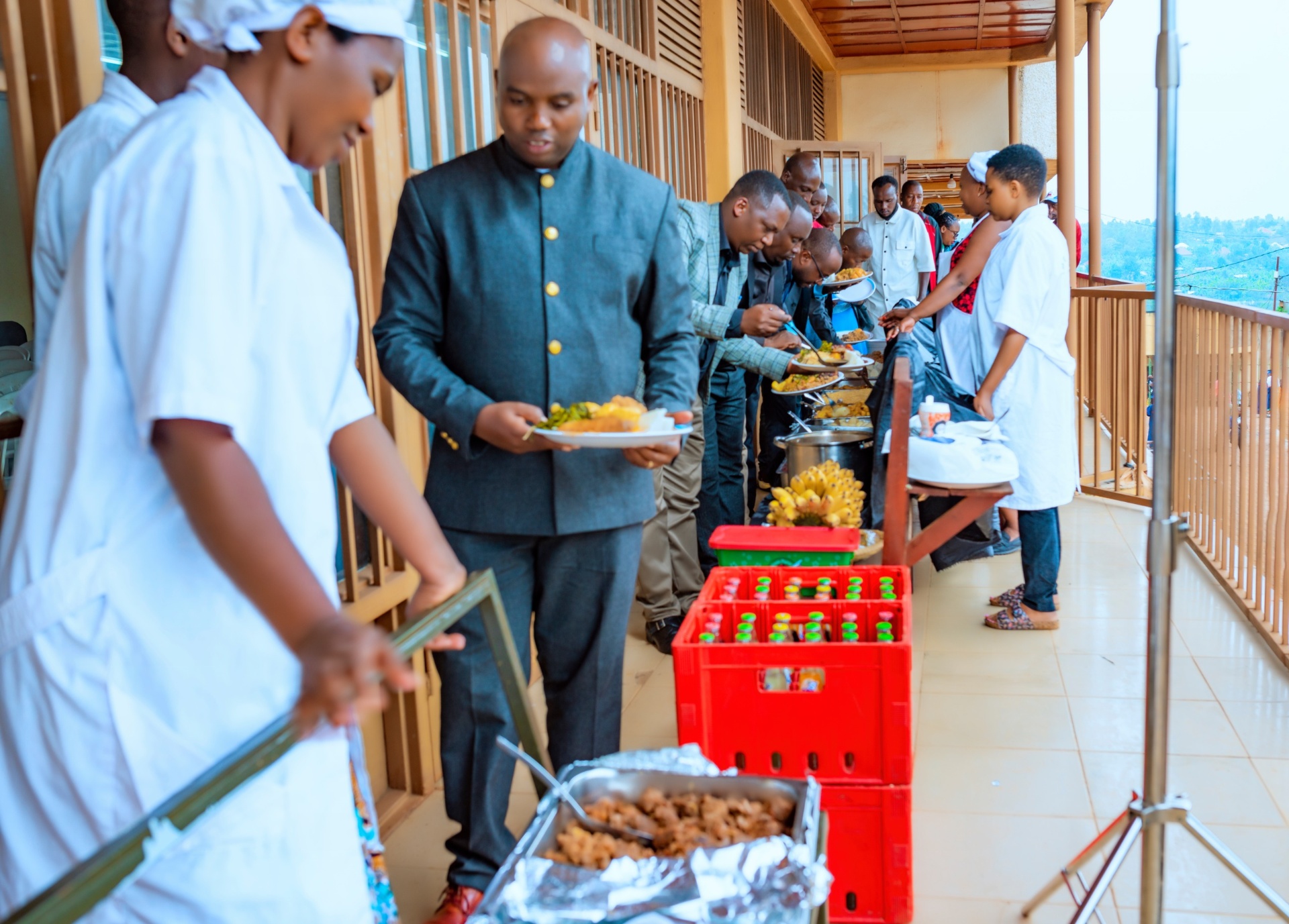
Our feeding program continues to provide nutritious meals to children in vulnerable communities.
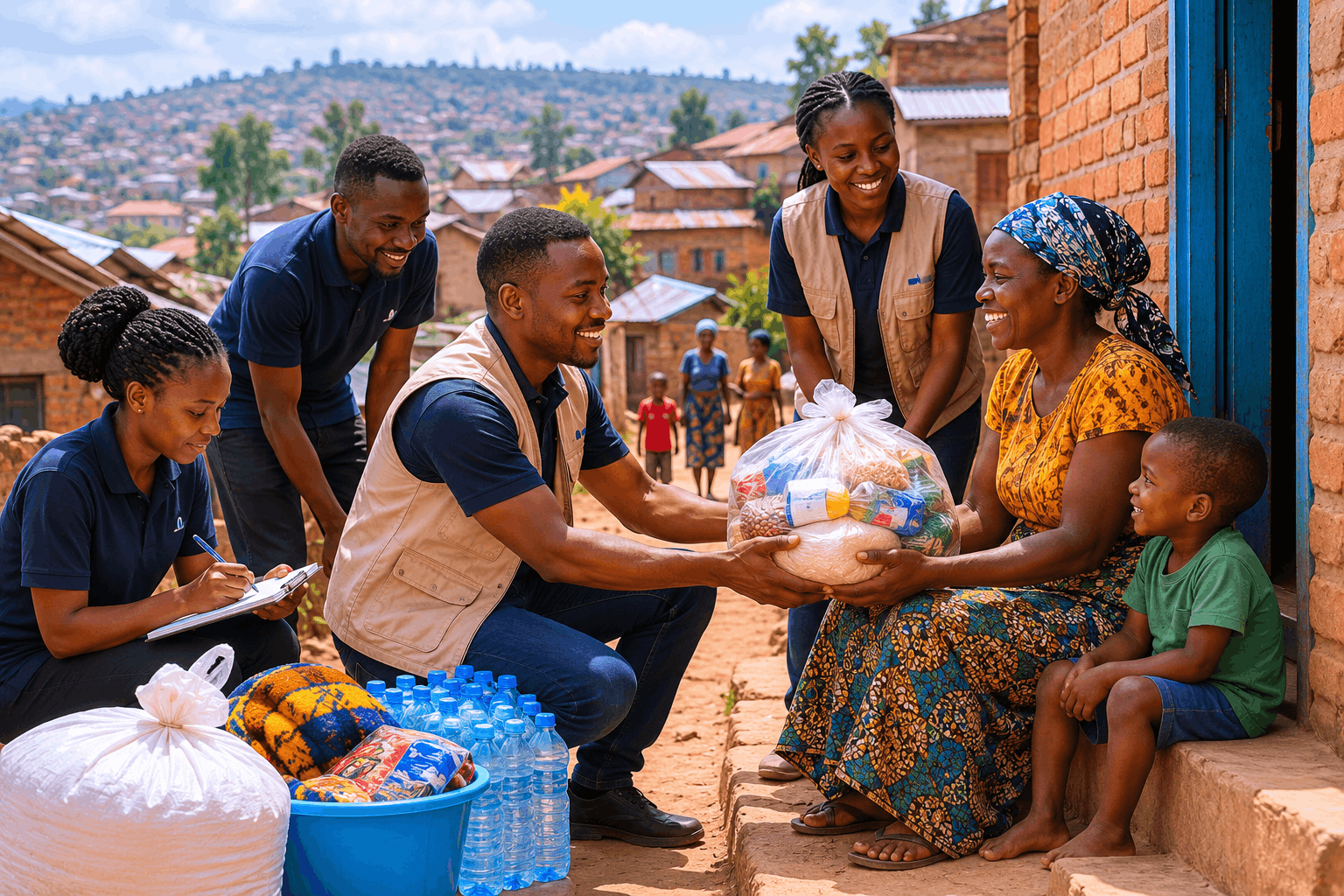
How Faith-Based Organizations Respond to Disasters in Rwanda
From immediate emergency relief in the first 48 hours, to long-term recovery programs that rebuild livelihoods and restore hope, faith-driven humanitarian work is filling a critical gap in Rwanda's disaster response ecosystem.