 Rwanda is a country that refuses to be defined by its past. Over the past three decades, it has rebuilt itself into one of Africa's most resilient and forward-looking nations. Yet beneath the progress, a stubborn challenge remains youth poverty, particularly among young women in rural areas.
In districts like Kirehe, Kayonza, Bugesera, and Nyamagabe, thousands of young women wake up every day without a reliable source of income. Many dropped out of school early. Others are widows, single mothers, or survivors of trauma. The formal job market feels distant and inaccessible. But something is changing — quietly, stitch by stitch.
Tailoring skills training is emerging as one of the most practical, accessible, and life-changing interventions for young women in Rwanda. It requires relatively low startup capital, produces immediate income, and builds long-term entrepreneurial confidence. And across the country, faith-based organizations, NGOs, and government programs are scaling it up.
This article explores exactly how tailoring is helping young Rwandan women escape poverty — and what still needs to happen for this transformation to reach everyone who needs it.
The Reality of Female Youth Poverty in Rwanda
Before understanding the solution, it is important to understand the problem clearly.
According to the Rwanda National Institute of Statistics (NISR), youth unemployment disproportionately affects young women, particularly those living outside Kigali. While Rwanda's overall poverty rate has declined significantly from 60% in 2000 to under 40% in recent years, the gains have not been evenly distributed.
Young women in rural Rwanda face a unique combination of barriers:
- Limited access to formal education — Many girls drop out of secondary school due to pregnancy, family financial pressure, or early marriage
- Cultural expectations — In some communities, women are still expected to manage the household rather than pursue income-generating activities
- Lack of startup capital — Without savings or a credit history, young women cannot access bank loans to start businesses
- Geographic isolation — Rural communities have fewer job opportunities and less exposure to markets
- Trauma and loss — A significant number of vulnerable young women are orphans, widows, or genocide survivors, still navigating emotional and economic instability
These barriers do not exist in isolation. They reinforce each other, creating a cycle that is genuinely difficult to break without deliberate, targeted intervention.
Tailoring, when properly taught and supported, addresses several of these barriers at once.
Why Tailoring Works as a Poverty Reduction Tool
Not every skill has the same poverty-reduction power. Tailoring stands out for several specific reasons that make it particularly effective in the Rwandan context.
Low Entry Cost, High Return Potential
A basic sewing machine in Rwanda costs between RWF 50,000 and 150,000 (approximately $35–$110 USD). This is significantly cheaper than most other business startup costs. Many training programs provide machines during training, and some offer graduates access to equipment through group savings schemes or microfinance arrangements.
Once a young woman completes her training and acquires a machine either through savings, a loan, or a grant, she can begin generating income relatively quickly. A skilled tailor in Rwanda can earn between RWF 100,000 and 400,000 per month, depending on location, clientele, and specialization.
Immediate Market Demand
Rwanda has a strong and growing demand for tailored clothing. School uniforms, church attire, wedding garments, traditional formal wear (umushanana), and everyday clothing all represent consistent revenue streams. In rural communities especially, local tailors fill a gap that mass-produced clothing cannot — affordable, custom-fit garments made with locally purchased fabric.
This means graduates do not need to search for a distant employer. They can set up a small workshop in their own community and begin serving neighbors immediately.
Scalability and Business Growth
Tailoring is not just a job; it is a business. A young woman who starts sewing alone can eventually hire assistants, train apprentices, and expand into embroidery, fashion design, or textile retail. Several tailoring graduates across Rwanda have grown their small workshops into registered businesses with multiple employees.
This scalability transforms tailoring from a survival strategy into a genuine entrepreneurial pathway.
Dignity and Independence
Perhaps the most underreported benefit of tailoring skills training is what it does to a young woman's sense of self. Having a skill that others value and being paid for it fundamentally changes how a person sees themselves and how their community sees them.
Women who complete vocational training programs consistently report higher self-esteem, greater decision-making power within their households, and increased participation in community activities. These are not soft, secondary outcomes. They are the foundation of sustained poverty escape.
How Tailoring Training Programs Work in Rwanda
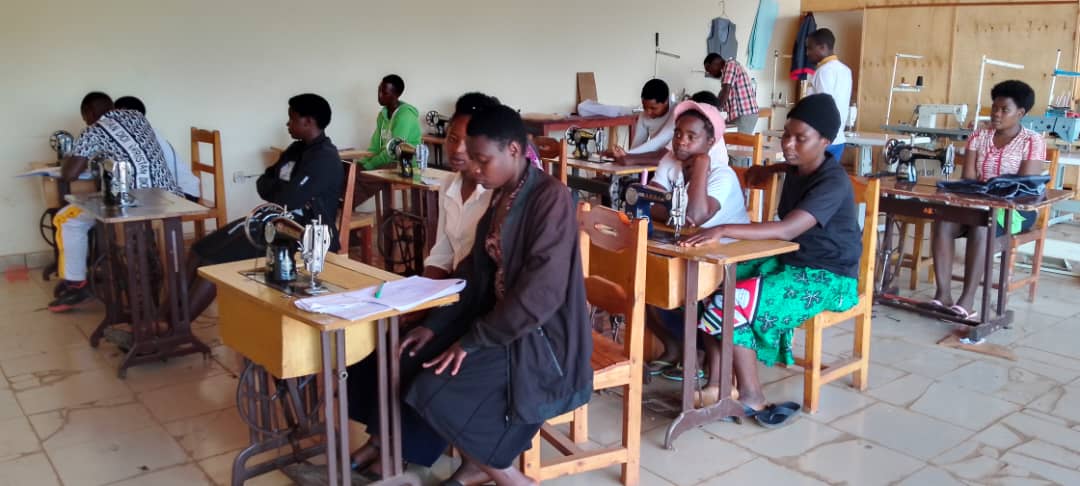
Tailoring skills programs in Rwanda vary in length, structure, and support offered. Here is what a well-designed program typically includes:
Phase 1: Intake and Assessment (Week 1–2)
Participants are identified through community outreach, often in partnership with local leaders, churches, or health centers. Priority is given to the most vulnerable: orphans, widows, survivors of gender-based violence, school dropouts, and young mothers.
Basic literacy and numeracy are assessed, not to exclude anyone, but to provide supplementary support where needed.
Phase 2: Core Skills Training (Months 1–4)
Training covers:
- Basic machine operation and maintenance: threading, tension adjustment, and cleaning
- Hand stitching techniques: hems, buttons, repairs
- Measurement and pattern making: taking accurate body measurements, drafting, and cutting patterns
- Garment construction: shirts, skirts, dresses, trousers, children's clothing
- Fabric selection understanding different fabric types, qualities, and appropriate uses
- School uniform production a reliable and consistent income source
Phase 3: Business and Financial Skills (Months 3–4, Integrated)
Many programs have learned, sometimes the hard way, that technical skills alone are not enough. Women who complete sewing training but have no understanding of pricing, profit margins, record keeping, or customer service often struggle to sustain their businesses.
Effective programs integrate:
- Basic bookkeeping and cash flow management
- Pricing strategies and profit calculation
- Customer service and communication
- Savings habits and introduction to microfinance options
- Market linkages connecting graduates with schools, churches, and local businesses as regular clients
Phase 4: Graduation and Post-Training Support
Graduation ceremonies are important — they mark a transition and celebrate achievement publicly. Beyond ceremony, strong programs offer:
- Starter kits — sewing machine, scissors, measuring tape, thread, needles
- Mentorship — pairing graduates with established tailors for guidance
- Cooperative formation — helping graduates work together, share resources, and access larger contracts
- Follow-up visits — checking in at 3, 6, and 12 months to identify challenges and provide support
The Role of Faith-Based Organizations in Rwanda's Tailoring Movement
Government-run TVET (Technical and Vocational Education and Training) institutions play an important role in Rwanda's skills training landscape. But faith-based organizations have proven uniquely effective at reaching the most vulnerable women, those who would never walk through the door of a formal training center.
Organizations like International Samaritans' Heart Rwanda, inspired by the parable of the Good Samaritan (Luke 10:30–37), go into communities rather than waiting for communities to come to them. They build trust through consistent presence, spiritual care, and holistic support, addressing not just the skill gap but the emotional and social barriers that keep women from moving forward.
This combination of practical training and genuine human care is what makes faith-based vocational programs particularly powerful.
At International Samaritan's Heart Rwanda, tailoring is embedded within a broader empowerment framework. Participants are not just students; they are seen as whole people with dignity, potential, and a story worth honoring. The training environment reflects that. Instructors are patient. Schedules accommodate childcare realities. Spiritual encouragement is woven naturally into the program.
Rwanda Government Support for Vocational Skills Training
The Rwandan government has recognized vocational training as a national priority. The Rwanda TVET Policy and the National Skills Development Program both aim to increase the number of Rwandans with market-relevant technical skills.
Key government initiatives relevant to tailoring include:
- Integrated Polytechnic Regional Centres (IPRCs) — Government TVET institutions offering accredited tailoring and textile courses
- Workforce Development Authority (WDA) — Oversees TVET accreditation and quality standards.
- Girinka and Ubudehe programs — While focused on agriculture and social protection, these programs demonstrate Rwanda's commitment to targeted poverty reduction for the most vulnerable
- Vision 2050 and NST2 — Rwanda's long-term development strategy prioritizes skills development as a driver of economic transformation
Faith-based and NGO-run training programs that align with WDA standards can help their graduates receive nationally recognized certificates, significantly increasing employability and credibility.
Challenges That Still Need to Be Addressed
Honest reporting requires acknowledging that tailoring skills training, as powerful as it is, is not a perfect or complete solution on its own.
Market Saturation in Some Areas
In communities where multiple programs have trained many tailors, competition can become intense. Graduates need business skills and market diversification strategies, not just sewing ability, to thrive in a crowded local market.
Access to Affordable Equipment
Even at relatively low cost, sewing machines remain out of reach for the most destitute women without grant support or favorable microfinance access. Programs must build equipment acquisition pathways into their design.
Sustainability After Program Exit
Some women thrive immediately after graduation, then struggle when program support ends. Strong post-training follow-up, cooperative structures, and savings group formation are essential buffers against this.
Balancing Training with Family Responsibilities
Many participants are mothers with young children. Programs that do not account for childcare realities — through flexible scheduling, on-site childcare, or home-based learning components lose their most vulnerable participants.
These challenges are solvable. They require thoughtful program design, strong community partnerships, and honest evaluation of what is working and what is not.
How You Can Support Tailoring Empowerment Programs in Rwanda
If this article has moved you, there are concrete ways to contribute:
- Donate — Your contribution can fund a sewing machine, cover training materials, or sponsor a young woman's full program. Even a small monthly gift makes a real difference. International Samaritan Heart supporting page
- Partner — Churches, businesses, and organizations can partner with programs like International Samaritan's Heart to co-fund training cohorts or provide market access for graduates
- Volunteer — Skills volunteers, particularly those with business, design, or financial training backgrounds, can add enormous value to vocational programs
- Share — Spreading awareness through your networks costs nothing and can connect programs with donors, partners, and supporters they would never otherwise reach
One Skill, One Life, One Community at a Time
Poverty is complex. It does not yield to simple solutions. But tailoring skills training done well, done holistically, and done with genuine care for the women involved has proven again and again that it can be a genuine turning point in a young woman's life.
In Rwanda, where resilience is almost a national characteristic, young women are proving that they do not need much to achieve a great deal. They need access. They need training. They need someone to believe in them.
That is exactly what organizations like International Samaritans' Heart Rwanda are doing, one stitch, one woman, one community at a time.
If you believe every woman deserves a chance to build a dignified life, now is the time to get involved.
The Link Between Skills Training and Economic Independence for Youth in Rwanda
How to Volunteer in Rwanda with a Faith-Based NGO in 2026 | International Samaritan's Heart
Related Articles
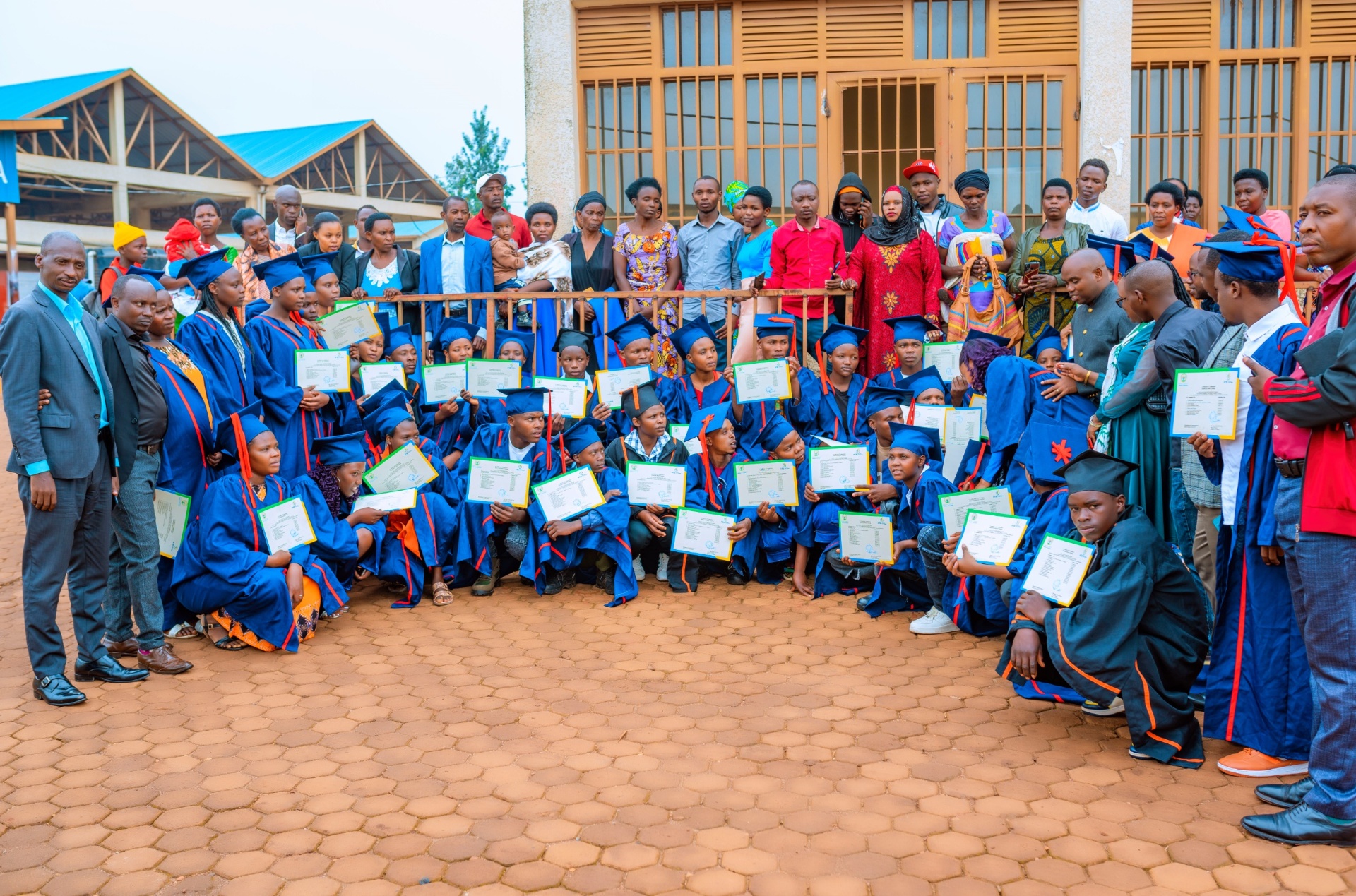
Graduation Ceremony Celebrates New Skilled Youth
A large graduation ceremony celebrated dozens of youth who completed vocational training programs.
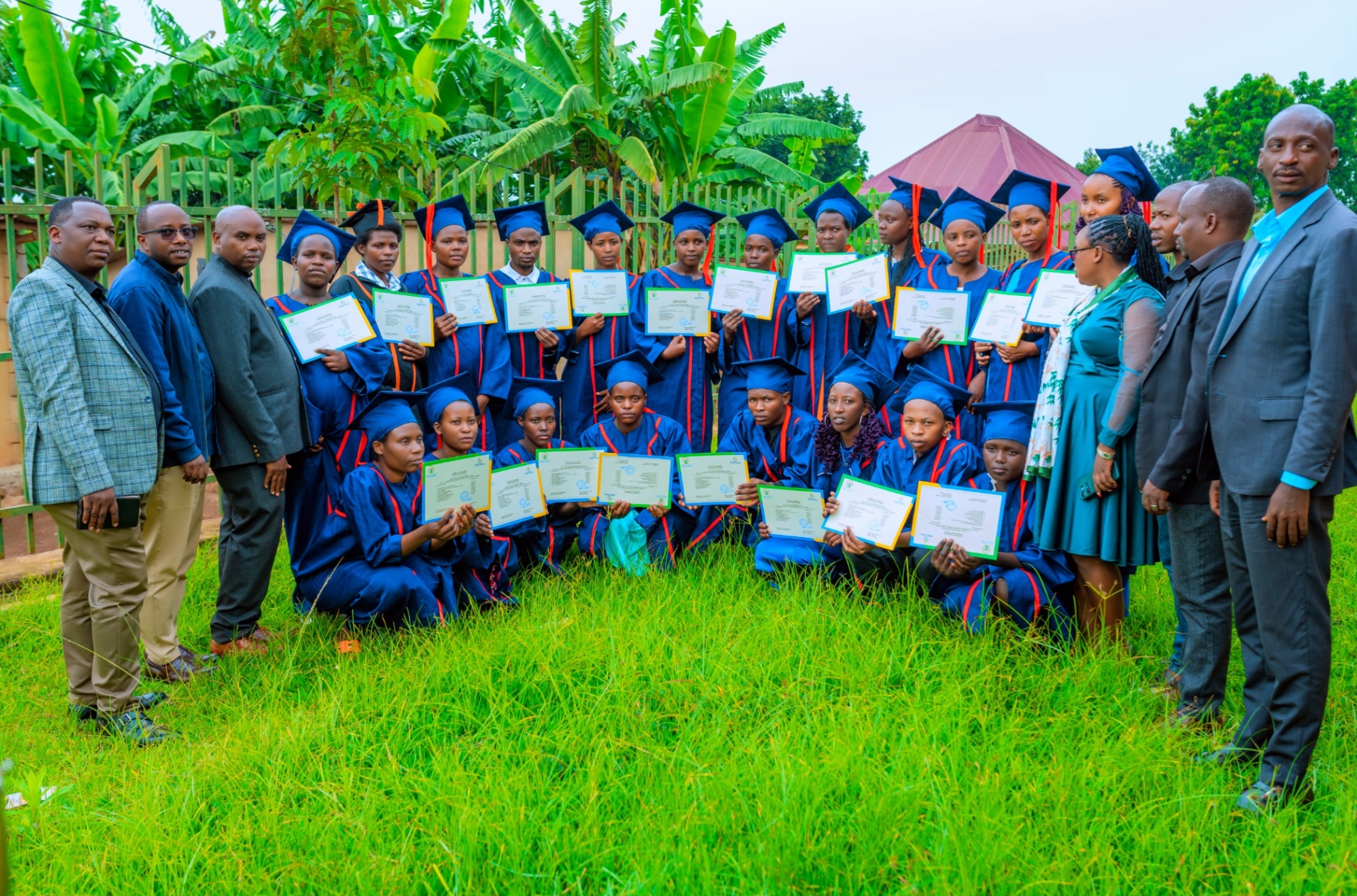
New Tailoring Graduates Ready to Transform Their Lives
Our latest cohort of tailoring students have completed their training and are now equipped to start their own businesses and support their families.