Every minute counts, but not everyone has a minute to spare.
Imagine your child has a dangerously high fever in the middle of the night. The nearest hospital is three hours away on foot. You have no car, no money for transport, and no phone signal to call for help.
This is not a hypothetical situation. This is the daily reality for millions of families living in rural Rwanda.
Yet despite these challenges, Rwanda has become one of Africa’s most celebrated healthcare success stories. Child mortality has dropped by over 70% in the last two decades. Maternal deaths have fallen dramatically. Life expectancy has nearly doubled since the 1990s.
How did a small, landlocked, low-income country achieve what many wealthy nations have not?
The answer is simple but powerful: community-based healthcare.
In this article, we explore five proven ways community-based healthcare is saving lives across Rwanda — and why this model is becoming a beacon of hope for Africa and the developing world.
What Is Community-Based Healthcare?
Community-based healthcare (CBHC) is a system that delivers health services directly within communities instead of relying only on hospitals and clinics.
Rather than expecting sick people to travel long distances for treatment, trained community health workers provide prevention, education, monitoring, and basic treatment directly to families in their villages.
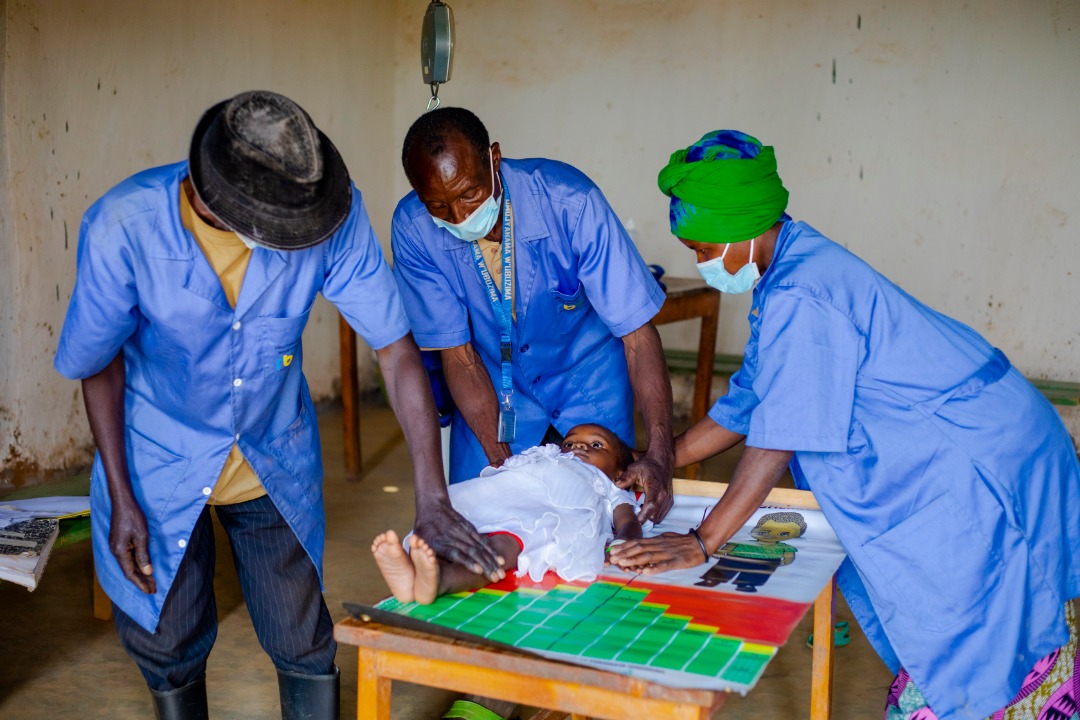
In Rwanda, this system is built around locally trained volunteers known as Community Health Workers (CHWs) — or Abajyanama b’Ubuzima in Kinyarwanda.
These trusted community members are trained to:
Detect diseases early
Educate families on prevention
Support pregnant mothers
Refer serious cases to health centers
Promote hygiene and nutrition
According to the World Health Organization (WHO), community health worker programs are among the most cost-effective healthcare strategies in low-income countries.
Rwanda has embraced this model successfully — and the results are transforming lives.
1. Community Health Workers Are the First Line of Defense
Rwanda has more than 45,000 trained community health workers serving villages across the country.
Each village typically has three CHWs focusing on:
Maternal and child health
General illness care
Environmental health
These workers help communities by:
Identifying malaria, pneumonia, diarrhea, and malnutrition early
Providing basic treatment
Referring severe cases quickly
Teaching disease prevention and hygiene
Supporting pregnant women with prenatal care
In remote areas where hospitals are far away, early detection often means the difference between life and death.
The Rwandan Ministry of Health reports that CHWs manage millions of patient interactions each year, reducing pressure on hospitals while improving access to care.
For organizations like International Samaritan’s Heart Rwanda, partnering with community health workers helps deliver both practical healthcare and compassionate support to vulnerable families.
2. Mutuelle de Santé — Community Health Insurance That Works
Healthcare costs are one of the biggest barriers facing poor families worldwide.
Rwanda addressed this challenge through Mutuelle de Santé, a community-based health insurance system.
For a very small annual contribution, families can access healthcare services at government facilities with minimal co-payment. The poorest households receive full government support.
Impact of Mutuelle de Santé
Over 90% of Rwanda’s population has health insurance coverage
Out-of-pocket medical expenses have dropped significantly
Families no longer choose between food and healthcare
According to USAID Rwanda, this insurance system has greatly improved healthcare accessibility for low-income communities.
Rwanda’s model demonstrates that when communities participate in financing healthcare, trust and healthcare utilization increase dramatically.
3. Maternal and Child Health Programs Are Saving Lives
Maternal and newborn deaths remain a major challenge across many African countries.
Rwanda has made major progress through community-based maternal healthcare programs.
Community health workers:
Identify pregnancies early
Encourage antenatal care visits
Monitor mothers throughout pregnancy
Conduct postnatal home visits
Promote breastfeeding and nutrition
Monitor child growth and malnutrition
Results
According to UNICEF Rwanda:
Maternal mortality has dropped dramatically since 2000
Child survival rates continue to improve
More women are delivering safely in health facilities
This success is possible because healthcare support comes from trusted people within the community.
Organizations like International Samaritan’s Heart Rwanda continue supporting vulnerable mothers and children through healthcare outreach, education, and emotional support.
4. Community-Based Mental Health Is Reaching the Overlooked
Mental health remains one of the most neglected healthcare challenges in Africa.
In Rwanda, the long-term effects of the 1994 genocide created deep emotional and psychological wounds across communities.
To address this, Rwanda integrated mental health support into community healthcare systems.
Community workers now help identify:
Depression
Anxiety
Trauma and PTSD
Psychosis
Community Mental Health Efforts Include:
Village-level mental health screening
Community therapy sessions
Mental health awareness campaigns
Referrals to professional care
According to Partners In Health (PIH), Rwanda’s mental health integration has reached thousands who would otherwise have no access to care.
Faith-based organizations also play a major role by combining emotional, spiritual, and practical support to restore hope and dignity.
5. Technology Is Making Community Healthcare Smarter
Rwanda has become one of Africa’s leading countries in healthcare innovation.
RapidSMS and Digital Reporting
Community health workers use simple mobile phones to:
Track pregnancies
Report illnesses
Alert health centers about emergencies
Monitor patients in real time
This system improves emergency response in remote communities.
Medical Drone Deliveries
Through a partnership with Zipline, Rwanda uses drones to deliver:
Blood supplies
Vaccines
Emergency medicines
Remote health centers can now receive critical supplies within minutes instead of hours.
Imihigo Performance System
Rwanda also uses a national accountability system called Imihigo, where leaders commit to specific healthcare targets each year.
This improves performance and accountability at every level of healthcare delivery.
The Role of Faith-Based Organizations
Government healthcare systems cannot reach every vulnerable person alone.
Faith-based organizations often bridge the final gap by serving remote and underserved communities.
International Samaritan’s Heart Rwanda works to support the whole person:
Physical health
Emotional healing
Spiritual encouragement
Emergency support
Community empowerment
Inspired by the Good Samaritan story in Luke 10:30–37, the organization focuses on restoring hope where it is needed most.
Because true healing is not only physical, it is emotional, social, and spiritual too.
What Rwanda’s Healthcare Model Teaches the World
Rwanda’s healthcare success offers important lessons for other countries:
Key Lessons
Invest in Community Health Workers
They are one of the most effective and affordable healthcare solutions available.
Make Healthcare Affordable
Community-driven insurance systems improve healthcare access and trust.
Integrate Mental Health
Emotional healing is just as important as physical healing.
Use Simple Technology
Practical technology saves lives when designed for local realities.
Partner With Communities and Faith Organizations
Local trust is essential for successful healthcare delivery.
Rwanda proves that strong healthcare systems are not only built with wealth — they are built with vision, community trust, and compassion.
How You Can Help
Community healthcare work in Rwanda is still ongoing.
Many families in rural communities continue to face:
Limited healthcare access
Preventable diseases
Poverty
Lack of transportation
Maternal health risks
International Samaritan’s Heart Rwanda continues serving vulnerable communities through healthcare support, relief programs, and community empowerment initiatives.
You Can Be Part of the Change
Because somewhere in rural Rwanda today, a child still needs care, a mother still needs support, and a family still needs hope.
And sometimes, one compassionate act can change everything.