1. Unlocking Potential Beyond the Classroom
In Rwanda, many young people are hardworking, capable, and eager to build better futures. While education opportunities continue to expand, some youth are unable to complete their formal schooling due to various life circumstances.
Despite this, their potential remains strong.
With access to practical skills training and mentorship, these young individuals can build meaningful livelihoods and contribute positively to their communities.
This is the story of Jean—and how opportunity can transform lives.
2. Understanding the Reality
Not all young people follow the same educational path. Some face challenges that lead them to leave school earlier than planned.
These may include:
Family responsibilities
Financial limitations
Personal or social circumstances
Even without completing high school, many of these youth are motivated to learn, work, and succeed when given the right opportunity.
3. Meet Jean: Determined to Move Forward
Jean (name changed for privacy) is one such young person. Due to circumstances beyond his control, he was unable to complete high school.
However, he remained determined to find a way forward and support himself and his family.
Like many others in similar situations, he needed a pathway that matched his reality—one focused on practical skills.
4. The Turning Point: Skills Training Opportunity
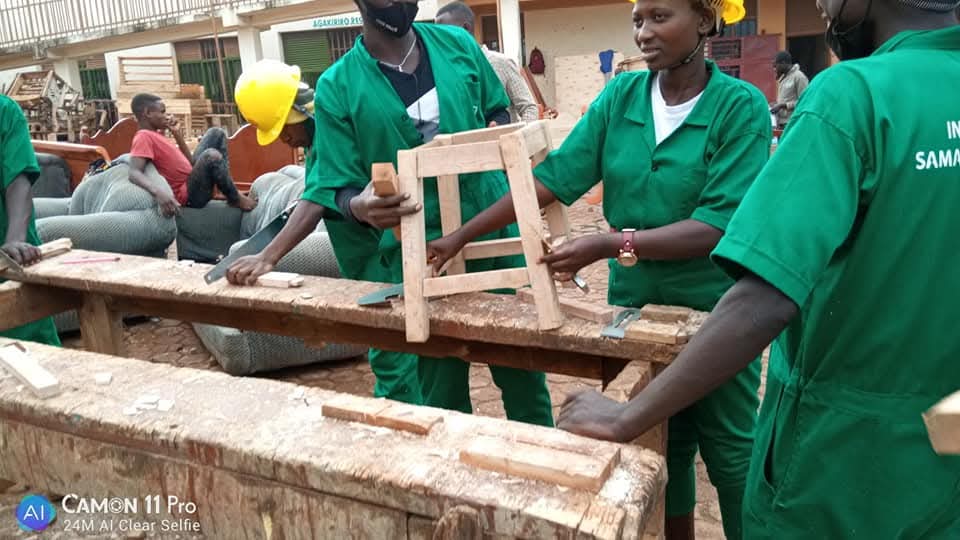
Jean’s journey changed when he enrolled in a vocational training program in carpentry offered by a local organization.
The program provided:
Hands-on practical training
Access to tools and materials
Guidance from experienced trainers
Basic entrepreneurship knowledge
This opportunity allowed Jean to begin building a future based on skills and self-reliance.
5. Learning by Doing
During the training, Jean gained essential skills such as:
Using carpentry tools safely and effectively
Measuring and cutting materials accurately
Designing and finishing furniture
Solving practical work challenges
Interacting with customers and managing small jobs
These skills gave him confidence and a clear direction.
6. Starting Small, Moving Forward
After completing his training, Jean began offering services within his community.
He started with:
Repairing damaged furniture
Creating simple household items
Serving neighbors at affordable prices
This marked his first step toward earning an income.
7. Building a Livelihood
With time and dedication, Jean expanded his work. He was able to:
Save and invest in his own tools
Take on larger projects
Build trust with clients
Today, he produces:
Beds and wardrobes
Office furniture
Custom woodwork
He now runs a small carpentry business and earns a steady income.
8. A Positive Ripple Effect
Jean’s progress has created an impact beyond himself. He now:
Supports his family
Encourages other youth in similar situations
Shares skills and opportunities when possible
This shows how one opportunity can influence many lives.
9. Why Skills Training Matters
For youth who did not complete formal education, vocational training offers a practical and effective pathway.
It helps to:
Build income-generating skills
Promote self-reliance
Encourage entrepreneurship
Contribute to community development
These efforts complement broader national goals of empowering all youth.
10. Expanding Opportunities
Many young people are ready to learn and work but need access to training programs that match their circumstances.
Expanding such initiatives can help more youth unlock their potential.
11. The Role of Support
Programs like these rely on support to grow and reach more individuals.
Support can help:
Provide training access
Supply tools and materials
Enable youth to start small businesses
Strengthen community-based programs
12. What Your Contribution Can Do
Every contribution makes a difference:
Small support can provide learning materials
Sponsorship can train one young person
Larger support can expand training centers
13. Transparency and Accountability
Programs maintain:
Clear reporting
Responsible resource use
Measurable impact tracking
14. Looking Ahead
Empowering youth—regardless of their educational background—helps build:
Skilled individuals
Stronger communities
Sustainable local economies
Jean’s story shows that success is not limited to formal education alone. With the right opportunity, determination can turn into achievement.
You can support this transformation by:
Contributing to training programs
Sharing awareness
Partnering to expand opportunities
Together, we can help more young people build independent and productive lives.
Empowering Rwanda’s Youth Through Vocational Skills: Why Donor Support Matters More Than Ever
Transforming Lives in Rwanda Through Compassion: How Community Support Programs Bring Hope, Health, and Opportunity
Related Articles
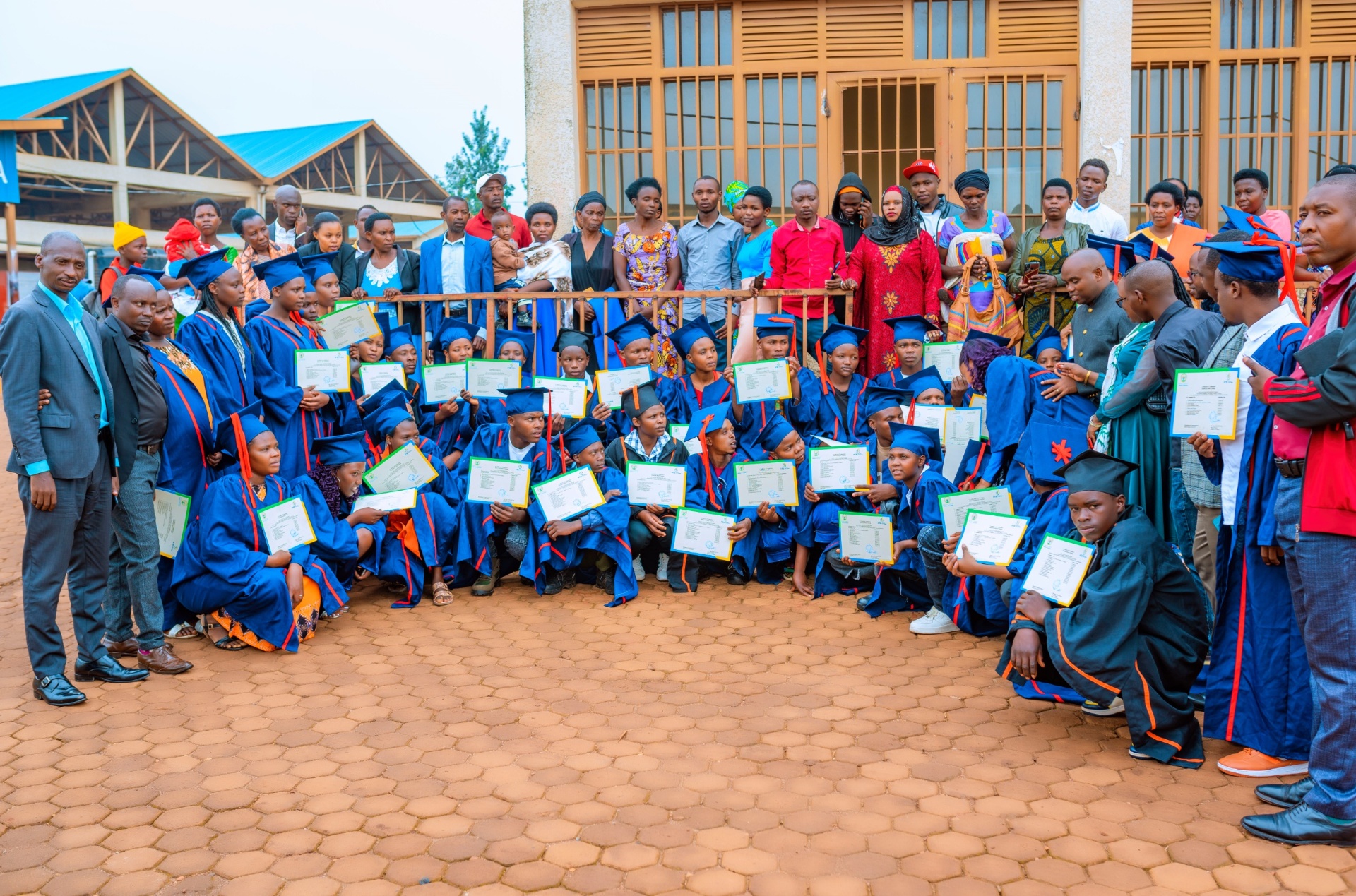
Graduation Ceremony Celebrates New Skilled Youth
A large graduation ceremony celebrated dozens of youth who completed vocational training programs.
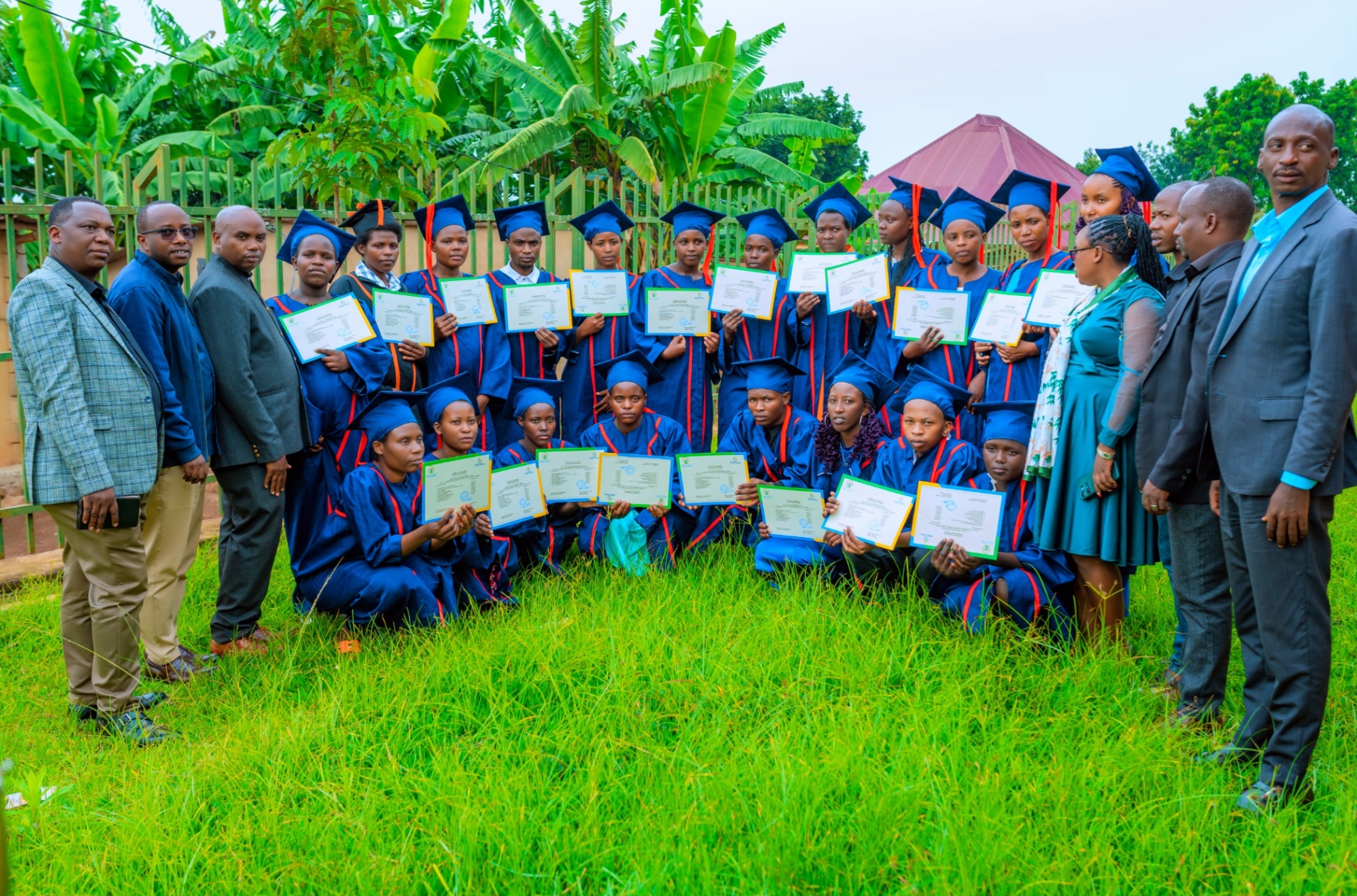
New Tailoring Graduates Ready to Transform Their Lives
Our latest cohort of tailoring students have completed their training and are now equipped to start their own businesses and support their families.