By International Samaritan's Heart Rwanda
There is a moment that anyone who has worked in humanitarian service will recognize. You arrive in a community with bags of food, bundles of clothing, or boxes of medicine. Hands reach out. Needs are met — at least for today. And as you drive away, something quietly unsettles you. Not guilt, exactly. More like a question you are not sure how to ask: Did we really help?
That question points to one of the most important distinctions in mission work — the difference between charity and compassion. On the surface, the two words seem interchangeable. Both involve giving. Both respond to need. Both can be motivated by genuine care for another person. But underneath the surface, they operate from entirely different foundations, produce different outcomes, and call us to different ways of being in the world.
Understanding this difference is not a matter of academic debate. For organizations like International Samaritan's Heart Rwanda, it shapes every decision we make — how we enter a community, how we listen, how we give, and how we measure whether what we have done has truly made a difference.
What We Usually Mean by Charity
Charity, in its popular sense, is the act of giving something to someone who lacks it. Food to the hungry. Clothes for the poor. Money to those without it. In many ways, charity is beautiful. It is generosity made visible. It acknowledges that some people have more than they need and others have less, and it moves to correct that imbalance even if only temporarily.
The motivation behind charity is often genuine and good. Many people give out of sincere concern for the suffering of others. Religious traditions across the world teach that generosity is a virtue. And in moments of acute crisis, a disaster, a famine, a sudden collapse, charity in its simplest form saves lives. There is nothing wrong with handing a hungry person a meal.
But charity, left to itself, has limits that can quietly undermine the very people it intends to help.
First, charity tends to focus on the symptom rather than the cause. It gives food without asking why there is hunger. It provides medicine without addressing why people cannot access healthcare. It hands over goods and moves on, leaving the underlying conditions untouched.
Second, charity can unintentionally create a transactional dynamic, giver and receiver, benefactor and beneficiary, helper and helped. In this dynamic, the person receiving is often passive. They are the object of someone else's generosity rather than an active participant in their own healing or development. Over time, this can erode dignity, create dependency, and deepen the very sense of powerlessness that poverty produces.
Third, charity is often driven more by the needs of the giver than the needs of the receiver. We give what we have, what we want to give, or what makes us feel we have done something meaningful. But what we give is not always what is most needed.
None of this means we should stop giving. It means we need to examine how and why we give and whether what we are doing is genuinely in service of the other person's full humanity.
What Compassion Actually Means
The word compassion comes from Latin roots meaning "to suffer with." It is not simply feeling sorry for someone from a distance. It is entering into their reality, sitting in it with them, and allowing their pain to genuinely matter to you.
This is precisely what the Good Samaritan did. When he came upon the wounded man on the road to Jericho, the text tells us he "saw him" and "had compassion." He did not toss a coin from the safety of his donkey. He stopped. He came near. He knelt down. He bandaged the man's wounds with his own hands, placed him on his own animal, took him to an inn, stayed with him, paid for his care, and promised to return. This was not a transaction. It was a relationship, however brief, grounded in genuine concern for the wholeness of another human being.
Compassion, unlike charity, is fundamentally relational. It requires the presence of the willingness to actually be with someone in their vulnerability rather than simply sending resources in their direction. It requires listening — hearing not just what someone needs today, but understanding the larger story of how they came to be where they are. And it requires humility, the honest acknowledgment that the person you are helping is your equal in dignity, made in the image of God, and fully capable of participating in their own flourishing.
This distinction matters enormously in mission work. An organization operating from compassion does not simply arrive with a plan already decided. It asks. It learns. It builds genuine relationships with community members before designing any program. It measures success not by how much it has given but by whether the people it serves are growing in agency, dignity, and hope.
Why the Difference Matters for Communities
The consequences of charity-driven versus compassion-driven mission work are profoundly different for the communities involved.
Charity without compassion can create what development workers sometimes call "aid dependency," communities that come to rely on outside assistance rather than developing their own capacity to thrive. When outside organizations come in regularly with handouts, local markets can be disrupted, local initiative can be suppressed, and communities can begin to see themselves through the lens that outsiders have imposed: as people who lack, rather than people who have strengths, knowledge, and agency that deserve to be built upon.
This is not a theoretical concern. It has played out across Africa and in many other parts of the world, where decades of well-intentioned charity have sometimes left communities less empowered than when the giving began. The problem was never the generosity of the givers. The problem was the absence of a genuine relationship, the failure to truly listen, and the assumption that the people giving knew better than the people receiving what was truly needed.
Compassion-driven work looks different. It begins with presence. Before any program is launched, an organization committed to compassion invests time in actually knowing a community, its history, its values, its existing strengths, its specific challenges, and the aspirations of the people who live there. It asks questions: What do you dream of for your children? What resources do you already have? What has been tried before, and what has worked or failed?
From this foundation of relationship and knowledge, genuine support becomes possible, support that strengthens what is already there rather than replacing it, that walks alongside people rather than delivering to them from above, and that holds the long-term transformation of the community as its true goal.
The Gospel Foundation of Compassionate Service
For International Samaritan's Heart Rwanda, this is not simply good development practice. It is rooted in the character of God as revealed in the Gospel of Jesus Christ.
The incarnation itself is the ultimate act of compassion. God did not remain at a distance and send relief packages to a suffering world. He entered human experience fully born in poverty, living among the marginalized, touching the untouchable, eating with those society had discarded. Jesus did not treat people as recipients of charity. He saw them fully, spoke to them directly, and called them into relationship with the living God. His healing was never merely physical. It addressed the whole person, body, soul, and social standing.
When Jesus told His disciples to "go and do likewise" after the parable of the Good Samaritan, He was not giving instructions on how to run a relief program. He was describing a posture of the heart, one that refuses to walk past suffering, that is willing to be inconvenienced, that counts the cost and pays it, and that sees every person encountered as a neighbor deserving of full and costly love.
This is the theological ground on which compassionate mission work must stand. We serve not to ease our own conscience. We serve not to feel good about our generosity. We serve because we have received an immeasurable compassion from God, and because every human being we encounter bears the image of the One who gave us everything.
Moving from Charity to Compassion in Practice
The shift from charity to compassion is not achieved overnight. It requires sustained commitment and genuine humility. But there are practical markers that distinguish the two approaches in the work of any organization.
Presence before programs. Compassionate organizations invest deeply in knowing communities before designing interventions. They hire locally, listen carefully, and remain humble about what they do not know.
Dignity in every interaction. Every aspect of service, from how needs are assessed to how assistance is distributed, communicates something to the recipient. Compassion insists that these moments protect and affirm the dignity of every person.
Long-term relationship over short-term relief. Compassion is patient. It understands that lasting transformation takes years, not weeks. It commits to staying, following up, and walking with communities through setbacks as well as progress.
Local ownership. The measure of success is not how much an outside organization has given. It is how much the community has grown in its own capacity to care for its members, solve its own problems, and build the future it envisions for itself.
Spiritual wholeness. For a faith-based organization, compassion also means attending to the spiritual needs of those served, sharing the love and hope of Jesus Christ not as a condition of receiving help, but as an expression of genuine care for the full person.
Go and Do Likewise
Charity gives from abundance. Compassion comes from a relationship. Both have their place, but only one has the power to truly transform not only the lives of those served but also the hearts of those serving.
At International Samaritan's Heart Rwanda, we are on this journey ourselves. We do not claim to have arrived. But we are committed to the posture of the Good Samaritan to stopping when others pass by, to kneeling beside the wounded, to paying whatever the cost, and to returning. Not because it is efficient or impressive or strategically sound, but because we have been loved this way by God, and we are called to love others in the same way.
The world has plenty of charity. What it desperately needs is more compassion — the costly, personal, relationship-rooted love that sees every suffering person not as a problem to be managed but as a neighbor to be known.
Go and do likewise.
International Samaritan's Heart Rwanda is committed to serving vulnerable communities through practical acts of love in the name of Jesus Christ. Inspired by the parable of the Good Samaritan, we walk alongside the poor, the sick, and the suffering with mercy, dignity, and hope.
5 Simple Ways You Can Help Someone in Need Today
The Link Between Skills Training and Economic Independence for Youth in Rwanda
Related Articles
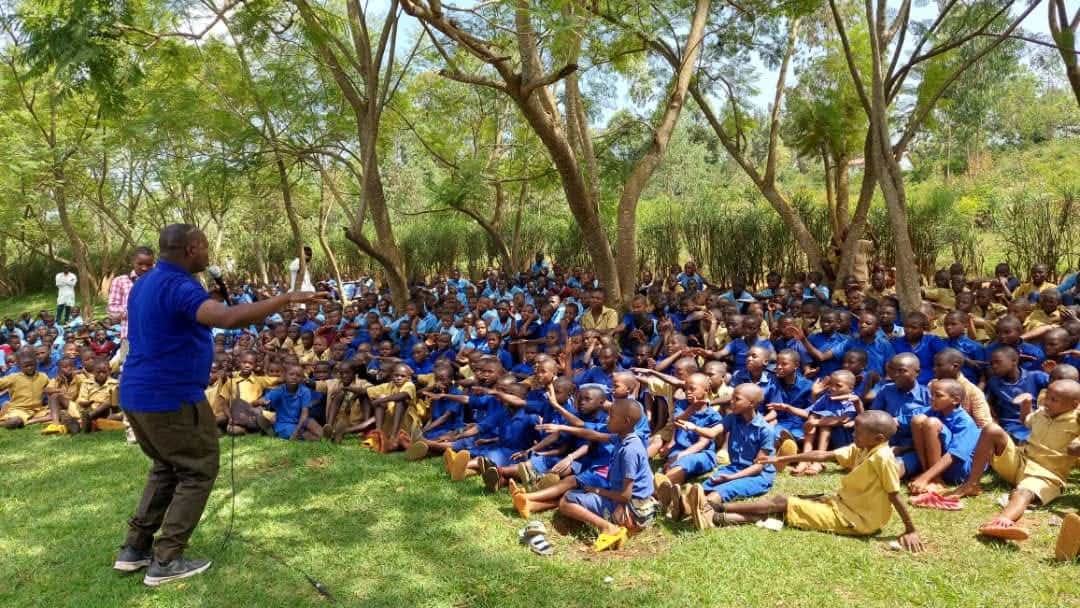
Community Outreach Brings Hope to Rural Families
Our team visited remote communities to provide material support and spiritual encouragement to families in need.
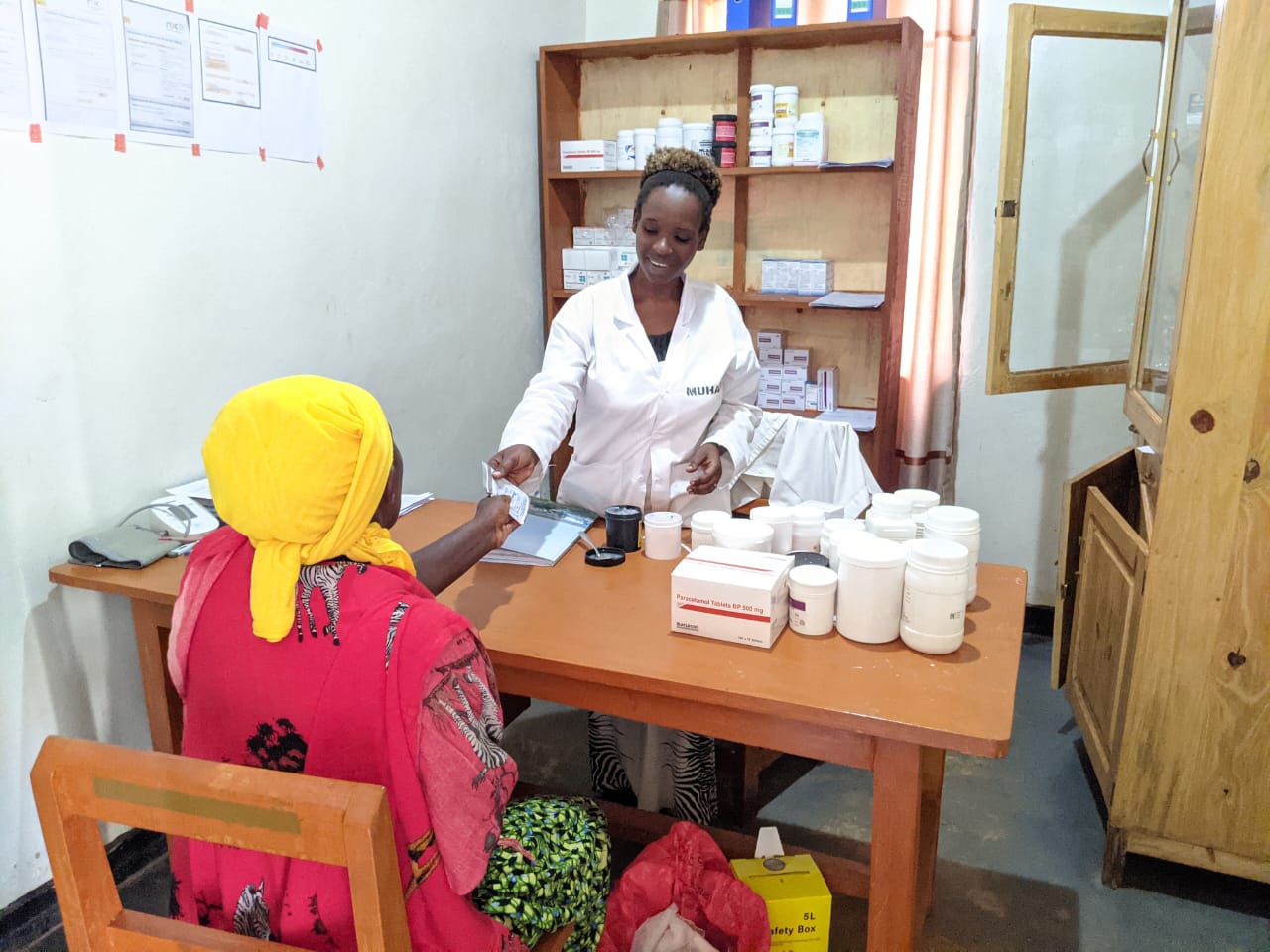
Hope for Muhamba: Supporting Rural Health and Families in Rwanda
Learn how International Samaritan’s Heart is improving healthcare, nutrition, and education in Muhamba, Rwanda.